
Carpet Flooring Cost in Calgary: 2026 Price Guide
- Maple Leaf Flooring
- 06 Aug, 2026
Planning new carpet usually starts with a practical question: what will the finished project cost? Carpet flooring cost in Calgary varies from one home and room to the next because the material is only one part of the decision. Fibre, pile style, stain protection, underlay, room layout, stairs, removal, and subfloor preparation can all affect the scope.
This guide explains the factors worth comparing before you shop. It is designed to help you ask better questions and build a realistic budget, not to substitute a quote for your specific home. For product selection and room-by-room advice, explore carpet flooring for Calgary homes.
What affects carpet pricing?
The best way to compare carpet is to look at the full system rather than a sample or material price in isolation. A lower initial material cost can be the right choice for a low-traffic room, while a busier household may get better value from a more resilient construction that stays attractive longer.
Fibre, pile style, and carpet quality
Carpet fibre affects feel, resilience, stain performance, and price. Nylon is often considered when durability and recovery from foot traffic matter. Polyester can offer softness and strong colour options. Solution-dyed fibres are coloured during manufacturing, which can support colourfastness and stain resistance. Each product should be considered on its own construction and warranty rather than by fibre name alone.
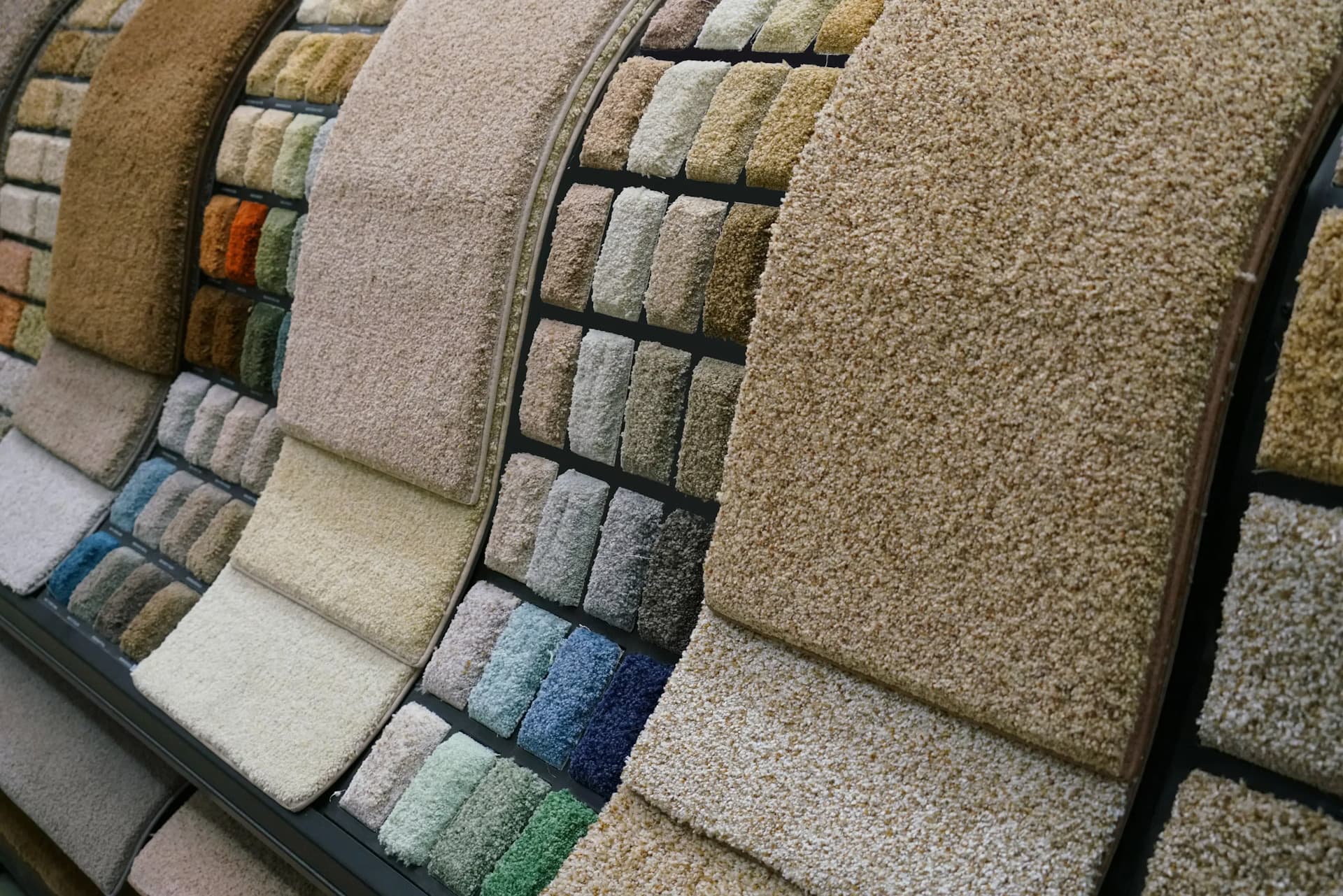
Pile style matters too. Loop carpet has uncut loops and can suit active areas with a more tailored texture. Cut pile has clipped fibre ends and can feel softer underfoot. Textured carpet is designed to reduce the appearance of footprints and vacuum marks, while plush carpet creates a smooth, formal look that may show shading more readily. Density, twist, face weight, backing, and wear performance all influence how a carpet handles everyday use.
Pet-friendly features and stain resistance can be valuable for families with dogs, cats, children, or frequent entertaining. Consider the practical cost of maintenance as well as the purchase decision: a colour and texture that conceal everyday soil may help a busy room look better between cleanings.
Underlay and the room beneath the carpet
Underlay is not an optional afterthought. The right cushion supports comfort, insulation, resilience, and long-term appearance. It should be selected to suit the carpet, the room, and traffic level; choosing the thickest option is not automatically the best answer. A dense, supportive underlay can be especially important for stairs and hallways.
Subfloor conditions also affect the project. Preparation may include cleaning, patching, levelling, addressing squeaks, removing old adhesive, or checking a concrete slab for moisture. Existing flooring removal can involve carpet, old underlay, tack strips, laminate, vinyl, tile, or trim. These details are difficult to judge from square footage alone, which is why measurements, photos, and a site-specific discussion are useful.
Size, stairs, and installation complexity
Room size influences material quantity, but it does not tell the whole story. Closets, angled walls, fireplaces, built-ins, doorways, transitions, seams, and patterned carpet all require planning and cuts. Stairs have their own material, fitting, and finishing requirements. Hallways and landings can add complexity even when the overall square footage is modest.
For a broader look at the parts of a flooring estimate, see our Calgary flooring cost guide. When you are ready to discuss installation, our flooring installation guidance explains how preparation, transitions, and project scope come together.
Common carpet types to compare
There is no universally best carpet. The right one depends on where it will be installed and how your household uses the room.
Nylon and polyester
Nylon is commonly chosen for active spaces because it can be resilient under repeated foot traffic. Polyester is often appreciated for its softness and colour options and may be a sensible consideration for bedrooms or lower-traffic rooms. Compare the actual product’s density, texture, warranty, cleaning requirements, and expected use rather than assuming all nylon or polyester carpets perform the same way.
Solution-dyed, loop, and cut-pile carpets
Solution-dyed options may appeal where stain resistance and colour performance are priorities. Loop styles can provide a clean, structured look in offices, hallways, and family areas, though pets with claws may make a cut-pile option worth discussing. Cut-pile, textured, and plush carpets offer different levels of softness and visual formality. A textured style can be forgiving in a busy family room, while a plush carpet may suit a quieter bedroom where the appearance of footprints is less of a concern.
Carpet cost by room
The room changes the value equation. A helpful budget starts with what the space needs to do, not simply its size.
Bedrooms
Bedrooms are often lower-traffic spaces where comfort, warmth, and quiet matter. A softer carpet may be worth prioritizing here, especially if the room is used mainly for rest. Consider the colour in both daylight and evening lighting, and include closet floors in the measurements.
Living rooms and family rooms
These rooms may see children, pets, guests, and furniture movement. Durable construction, stain resistance, a practical texture, and a mid-tone colour can be more important than a very soft pile. If the room connects to hard surface flooring, plan the transition and finished height early.
Stairs and hallways
Stairs and hallways concentrate traffic in a narrow path. They benefit from a durable carpet and supportive underlay, and installation is more detailed than an open rectangular room. Ask about seams, stair finishing, and how the carpet will meet adjacent floors.
Basements and rental properties
For rental properties, choose with expected traffic, cleaning, future turnover, and replacement needs in mind. In a basement, the first question is moisture. Carpet can be comfortable in a dry, finished family room or bedroom, but it should not cover a moisture issue. Review basement flooring options in Calgary before selecting a lower-level product.
Carpet for Calgary basements
Carpet can make a dry Calgary basement feel warmer, quieter, and more comfortable, especially in a rec room, bedroom, or playroom. The cushion and carpet construction should suit the space, and the concrete or subfloor needs to be sound and appropriately dry for the selected installation method.
It is important to distinguish comfort from moisture protection. Carpet does not solve foundation seepage, a plumbing leak, or persistent dampness. Resolve those conditions first. If routine moisture tolerance and easy cleanup are higher priorities, luxury vinyl flooring may be a more practical comparison. Laminate flooring can provide a wood-look option in a dry basement, but product-specific below-grade and moisture requirements must be confirmed.
Carpet compared with other flooring costs
Carpet is often evaluated alongside hard-surface alternatives, but each material has a different combination of material, preparation, installation, comfort, maintenance, and expected lifespan.
- Luxury vinyl can be a practical option for spaces that need easy cleanup and everyday moisture resistance.
- Laminate may offer wood-look value in suitable dry rooms, with its own underlay and subfloor requirements.
- Hardwood and engineered hardwood offer natural warmth and distinct construction options, but the product and site conditions should guide the choice.
Carpet may be the more comfortable decision for bedrooms and stairs, while another material may better suit an entry, kitchen, bathroom, or moisture-prone lower level. Compare samples with the same room, traffic, and installation details in mind so the decision reflects the whole project.
Carpet installation costs: what to plan for
Installation pricing depends on the scope. Measuring, furniture and access considerations, removal and disposal, subfloor preparation, underlay, seam placement, transitions, stairs, baseboards, and door clearances can all affect the work. A detailed discussion should clarify what is included and what may need to be assessed once existing flooring is removed.
Bring rough measurements, a simple sketch, photos of the current floor, stairs, and doorways, plus any inspiration images. This lets the team help you compare suitable products and identify likely project details earlier. Our flooring installation page and flooring cost guide are useful next reads when you are preparing for a quote.
How to choose carpet within your budget
Start by ranking what matters most in the specific room: durability, comfort, appearance, stain resistance, quiet, or a particular design. A guest bedroom may not need the same construction as a busy staircase. A home with pets or young children may benefit from a practical texture and stain-focused features. Think about the carpet’s expected lifespan and how much maintenance you are comfortable doing, rather than choosing solely by the first number you see.
Then compare complete options. Ask about the carpet, underlay, installation requirements, and care guidance together. It is also worth taking samples home to see them in your lighting beside paint, furniture, and hard surfaces. A carpet that looks ideal under showroom lighting can read differently in a north-facing room or beside warm-toned trim.
Frequently asked questions
How much does carpet flooring cost in Calgary?
Carpet flooring cost depends on the product, underlay, room size, layout, removal, subfloor condition, stairs, and installation details. A quote based on your room measurements and project scope is more useful than relying on a material price alone.
What type of carpet is best for bedrooms?
Bedrooms often prioritize softness, warmth, and quiet. Polyester, nylon, textured cut pile, and plush styles can all be worth comparing; the best choice depends on traffic, pets, desired look, and maintenance preferences.
Is carpet good for Calgary basements?
Carpet can be a comfortable choice for a dry, finished basement family room, bedroom, or playroom. Moisture conditions must be addressed first, because carpet is not a solution for seepage, leaks, or persistent dampness.
What carpet is best for homes with pets?
Look for durable construction, stain resistance, a practical texture, and a colour that suits everyday life. The right option depends on the pets, the room’s traffic, and your cleaning routine. Bring those details to the showroom when comparing samples.
Does carpet require underlay?
Yes. Underlay contributes to comfort, insulation, support, and performance. It should be chosen for the carpet style, traffic level, and room conditions rather than simply for thickness.
How long does carpet typically last?
Lifespan varies with fibre, density, traffic, pets, cleaning habits, underlay, and installation quality. Regular vacuuming, prompt spot treatment, and periodic professional cleaning can help preserve appearance.
Should I choose carpet or luxury vinyl for a basement?
Carpet can add warmth and quiet to a dry finished basement. Luxury vinyl may be the better comparison where moisture tolerance and easy cleanup are priorities. The concrete condition, moisture history, room use, and product requirements should guide the decision.
Compare carpet samples in Calgary
The most useful way to narrow a carpet budget is to see and feel the options in person. Visit the Calgary flooring showroom with room photos, measurements, and a sense of how you use the space. When you are ready to discuss your project, contact Maple Leaf Flooring for practical selection and installation guidance.
For product details and room-specific advice, explore carpet flooring for Calgary homes.
Related Flooring Guides
- Compare carpet and vinyl planks
- Compare carpet and hardwood
- Learn about flooring installation cost factors
- Consider pet-friendly flooring
Ready for the next step?
Tags :
Share :